Greek Honey

Greek Honey, just carrying the moniker “Nectar of the Gods”, for over 3,000 years is a pretty good calling card!
Many of you have traveled to Greece and/or perhaps have tasted Greek honey, so you are familiar with it’s colors, variety, and tastes. If not, don’t be left out. If you love honey, then you will want to know about Greek honey.
Greek Honey is special in all of Europe because:
* Greece has more bee hives “per acre” than any other country in Europe.
* The best honey in Greece comes from “Thyme” (Thimari in Greek), by far the best honey in the world and a favorite among honey connoisseurs.
* The honey from Greece is considered to be some of the finest honey in the world.  Variables such as unlimited summer sun, the biodiversity of the Greek countryside plus the rich variety of Greek flora which includes over 850 species found nowhere else in the world!  Earth scientists and botanists consider Greece a country with the richest flora in the Mediterranean basin, (more than 7,500 different species of herbs, plants, wild flowers and trees).  Thus, with this magnificent array of nature’s blessings, the bees give us multiple types of Greek honey which is its claim to popularity and fame. Now, maybe you are starting to understand the pride in the country’s honey and its top position in the world market.
History and why Honey has been valued by the Greeks:
The history and use of Greek honey is impressive. Since ancient times honey, has been used both as a food and a source of medicinal therapy.  Some of the legendary greats of Greece such as the “Father of Medicine”, Hippocrates, wrote, "Honey and pollen cause warmth, clean sores and ulcers, soften hard ulcers of lips, heal carbuncles and running sores."  Aristotle, philosopher and student of Socrates, believed that honey prolonged life. There was “honey therapy” used at the most famed health spa in ancient times , the Asklepieion.

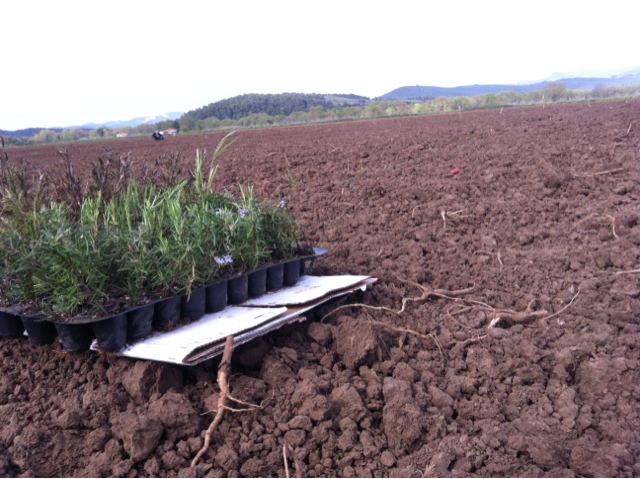
Rosemary farm

Early in the morning we started planting!


What Are the Benefits of Honey in Weight Loss?

It might be easy to discount the idea of a honey diet amongst the plethora of fad diets that proliferate the internet. However, the use of ultra-nutritious honey as a balancing agent in a weight-reduction diet has its basis in serious science (not to mention the fact that it's been used for weight support in Ayurvedic practice since ancient times).
  1. Features

    • When undertaking a weight-reduction diet, you limit the amount of food you eat, so the nutritional "punch" that each ounce of food packs becomes more important to overall heath. Honey is a healthy substitute for refined sugar, as it's a natural source for a wide variety of micronutrients, including amino acids, riboflavin, niacin, calcium, copper, potassium, iron, magnesium, manganese, phosphorus and zinc. The amounts are proportionally small, but these micronutrients add up in a balanced diet.

    Effects

    • Healthy digestion is absolutely necessary for effective and lasting weight loss, and honey is a potent digestive. One of the reasons this is true is honey's natural support of the digestive tract's Bifidobacteria (one of the body's most important types of "good bacteria"). Honey is classified as a "prebiotic." This term means that honey contains several substances that increase the population of the bacteria and allow it to thrive in the system, balancing out the "bad bacteria" that slow digestion and keep weight in the stomach.

    Considerations

    • The sugars in honey are technically simple sugars, which weight-watchers have historically been advised against, because of the spike these sugars tend to cause in blood sugar. However, studies have shown that the sugar combination in honey produces a lower glucose response than refined sugars and flours. This means that honey in moderate amounts gives a satisfying sweetness to a balanced diet, instead of causing the blood sugar to spike sharply and dissipate quickly (leaving a desire for more sugar in its wake.)

    Theories/Speculation

    • Though calorie-free, chemical sweeteners (such as saccharine and aspartame) have been linked to overeating in scientific studies, scientists have theorized that this is because chemical sweeteners interfere with the body's ability to "count its own calories," or determine the balance of how much energy it's taking in and expending. Honey satisfies the body's natural need for sweetness, while providing about 1.5 times the sweetness of refined sugar, allowing the dieter to reduce the amount used, while not impeding the body's ability to balance itself.

    Expert Insight

    • A New Zealand study compared the weights of three different groups of rats over time. One group was fed no sugar calories at all, the second group was fed a diet from which 8 percent of the total calories came from non-honey sugar sources, and the third group was fed a diet in which 10 percent of the calories came from honey. The honey-fed rats gained as much weight as the rats that were fed no sugar calories whatsoever, while the sugar-fed rats gained significantly more weight than the other two groups.

How to Check Pure Honey

Much of the honey you see on store shelves is not pure honey. Even honey that is labeled as "pure" or "100% honey" can include additives. The most common additives are water and syrup made from jiggery (also known as palm sugar) --- an unrefined sugar often used in India. Many testing methods to determine the purity of honey involve using chemicals not commonly found at home, but you can check honey purity with little more than water.
 
 
Difficulty:
Moderately Easy

Instructions

Things You'll Need

  • Water
  • Glass
  • Spoon
    • 1
      Pour several inches of cool water into your glass.
    • 2
      Scoop out approximately 1 tsp. of honey from its jar with a spoon. Pour this honey into the glass of cool water and stir gently for several seconds, then leave the glass alone for several minutes.
    • 3
      Examine the glass after several minutes. If the honey is still resting on the bottom of the glass as it was when you left it, the honey is probably pure. If, however, it has dissolved significantly into the water, it is probably not pure honey.

Tips & Warnings

  • You can use several other methods to test the purity of honey. Try drizzling some honey over blotting paper and leaving it for several minutes; if the paper absorbs the honey, it is not pure. Another option is to dip a cotton swab or piece of rolled paper in honey, then hold the honeyed end in a flame for a moment to try to light it. If the honey burns cleanly and quietly, it is pure. If it sputters or does not burn, it is not pure.

Resources

How to Use Raw Honey

Raw honey is honey that has not been pasteurized or filtered. Its cloudy appearance is due to crystals, bits of wax and bee pollen. Raw honey can be used like processed honey as a sweetener for a sweeter substitute for sugar. In addition to its food value, raw honey has powerful medicinal properties that fight inflammation, infection and allergic responses.


Instructions

Things You'll Need

  • Spoon
  • Gauze
  1. Wound Healing

    • 1
      Clean the wound. The method of cleaning does not matter; it just has to be clear of debris and infectious material.
    • 2
      Soften the honey. Vigorous stirring will soften the honey. If you are spreading the honey over a large area, you may want to make it even thinner. Do this by gently heating the honey until it is runnier. Do not overheat, as the healing properties of the honey can be destroyed. Alternatively, you can add a little mineral oil or petroleum jelly to the honey.
    • 3
      Apply the honey liberally to the wound.
    • 4
      Cover the wound with a gauze dressing.
    • 5
      Change the dressing at least once every one to three days, adding more honey if necessary.

    Allergy Treatment

    • 1
      Purchase locally-produced honey. Local honey contains pollen that boosts the immune response and combats allergies to the plants that produce the pollen.
    • 2
      Ingest a tablespoon of raw honey to combat seasonal allergies.
    • 3
      Repeat daily prior to and throughout allergy season.

Tips & Warnings

  • Do not feed raw honey to an infant under one year of age. Spores in raw honey may cause botulism in children that young.


Resources

How to Make a Honey Comb Section

Beekeeping is increasing in popularity as many people are interested in harvesting their own honey for home use. Large commercial beekeepers use extractors to separate the honey from the waxy comb, but if you only have one or two hives you may want to keep some of the honeycomb whole when you harvest. These honeycomb sections make attractive and interesting gifts that let you share your delicious honey and promote beekeeping as a hobby.


Instructions


Things You'll Need


  • Protective bee gear
  • Comb slicing pan
  • Knife
  • Storage containers
    • 1
      Remove the wooden frame from the hive and place it in the pan.
    • 2
      Cut around the inside of the frame with a knife to remove the honeycomb.
    • 3
      Cut the comb into sections of any size using a knife. Place smaller pieces in jars that are then filled with honey. Put larger squares in flat containers with tight-sealing lids.
    • 4
      Remove the comb sections from storage when you are ready to use the honey. Cut the caps off the honeycomb cells with a sharp knife and allow the honey to drain out.

Tips & Warnings

  • Use a thin wax foundation for comb honey in the hive to get high quality honeycomb sections.